Cutting-edge Solutions: Uncovering the Versatility of Bulk Containers in Various Industries
Mass containers have arised as an essential technology throughout numerous industries. Their layout improves storage space and transport efficiency, catering to diverse needs while advertising sustainability. Companies in farming, manufacturing, and logistics report considerable improvements in functional procedures. The true extent of their impact may not yet be fully recognized. Exploring the various applications and advantages of mass containers might expose understandings that improve sector standards. What exists in advance for this developing solution?
Enhancing Agricultural Efficiency With Mass Containers
Just how can mass containers change farming techniques? In the domain name of farming, mass containers act as an essential development, boosting efficiency and sustainability. They enable farmers to keep and deliver large quantities of grains, fertilizers, and seeds, reducing the requirement for multiple smaller sized bundles that typically add to squander. By utilizing bulk containers, agricultural operations can maximize their supply chains, decreasing dealing with expenses and time. These containers are designed for simple loading and discharging, enabling speedy changes in between different stages of farming procedures.
In addition, bulk containers advertise far better inventory monitoring, guaranteeing that manufacturers have sufficient supplies accessible without extra. This effectiveness equates to reduced labor prices and boosted productivity. In a field frequently challenged by fluctuating need and seasonal variants, the integrity and scalability supplied by bulk containers provide a significant benefit, encouraging farmers to focus on quality and yield.
Improving Production Processes Through Bulk Solutions
Mass solutions play an important function in enhancing manufacturing processes by helping with efficient material handling and offering cost-efficient storage options. These containers aid maintain an organized production setting, eventually boosting process and productivity. As markets significantly embrace mass services, they are likely to experience substantial renovations in operational effectiveness.
Effective Material Handling

Efficient material handling is vital for optimizing manufacturing procedures, as it directly affects productivity and cost-effectiveness. Making use of mass containers can considerably simplify procedures by streamlining the movement and storage of products. Their design enables very easy loading and unloading, decreasing the time employees spend managing specific items. This efficiency not just lessens labor expenses yet likewise enhances process, making it possible for producers to respond quickly to require changes. In addition, bulk containers promote better company within facilities, promoting quick accessibility to materials and reducing downtime. By implementing these flexible options, suppliers can improve total operational performance, ensuring that assembly line run efficiently and successfully while reducing waste and resource expenditure. Mass containers play a crucial function in improving product handling methods.
Cost-efficient Storage Space Solutions
As manufacturers seek to optimize their operations, economical storage solutions come to be progressively essential. Bulk containers give a functional ways of saving big quantities of materials, decreasing the need for several smaller storage units. This loan consolidation brings about decrease supply prices, as bulk containers usually need less handling and cause lowered labor expenditures. On top of that, their standard sizes help with efficient piling and storage space, making the most of warehouse area. By making use of bulk containers, producers can decrease waste and enhance the total organization of their facilities. These containers are likewise created for toughness, which can decrease substitute expenses with time. In general, incorporating mass containers into storage space techniques enables suppliers to simplify operations while keeping earnings and efficiency in their supply chains.

Improved Production Process
Making use of mass containers considerably improves manufacturing operations by streamlining the monitoring of materials throughout the manufacturing procedure. These containers help with efficient storage and transport, lowering the moment invested on taking care of products. Because of this, producers can accomplish quicker turn-around times and lessen delays in production. Mass containers also advertise far better company, permitting groups to conveniently access raw products when needed, which even more simplifies operations. Furthermore, the standardized size and form of these containers make it possible for optimized use storehouse space, adding to total performance. By incorporating bulk options right into their operations, firms can improve supply control and reduce waste, ultimately resulting in enhanced productivity and an extra nimble manufacturing atmosphere.
Transforming Food Solution Logistics
The food solution industry is undertaking considerable change via the adoption of mass containers, enhancing storage abilities and maximizing area usage. Efficient storage services make it possible for businesses to manage inventory a lot more successfully, while streamlined transport processes minimize expenses and improve delivery times. Therefore, these developments are improving logistics and driving higher effectiveness across the industry.
Efficient Storage Solutions
Cutting-edge storage space solutions are transforming food service logistics by enhancing effectiveness and enhancing area application. Mass containers, created for maximum ability, allow food service suppliers to decrease lost area while preserving easy accessibility to products. These containers can be piled and organized according to inventory demands, improving the storage procedure. In addition, their longevity assurances that food remain safe and protected, minimizing perishing and losses. With attributes such as modular styles and compatibility with various shelving systems, these containers can adjust to varied kitchen layouts. By utilizing reliable storage solutions, food service procedures not just improve operations yet likewise enhance general performance, assuring that resources are used effectively to fulfill consumer needs.
Streamlined Transportation Processes
While numerous aspects add to the effectiveness of food solution logistics, structured transport processes play a vital function in maximizing supply chain procedures. The adoption of bulk containers greatly improves the movement of goods, permitting quicker loading and discharging at warehouse. Their standardized sizes facilitate reliable stacking and storage, minimizing squandered area during transportation. Additionally, mass containers reduce the demand for extreme product packaging, causing lower costs and decreased environmental effect. By making sure that items are firmly transported, they alleviate damages and putridity, which is essential in the perishable food field. On the whole, the assimilation of bulk containers right into transport strategies not only boosts functional performance yet also sustains lasting techniques within the food solution industry.
The Duty of Mass Containers in Pharmaceutical Supply Chains
In the pharmaceutical market, mass containers play an important role in guaranteeing the reliable and secure transport of resources and ended up products. These containers are particularly created to fulfill stringent regulative needs, offering perfect defense against contamination and destruction throughout transportation. Their robust building permits the safe transport of delicate products, such as active pharmaceutical ingredients (APIs) and complicated formulations, while lessening the threat of damage.
Bulk containers assist in structured handling and storage operations within stockrooms and production facilities. Their standardized sizes make it possible for compatibility with automated systems, boosting performance and lowering labor costs. By making use of mass containers, pharmaceutical companies can attain significant price financial savings through mass acquiring and minimized packaging waste.
Advertising Sustainability in Packaging Practices
The pharmaceutical industry's increasing reliance on mass containers has prompted a broader evaluation of sustainability in product packaging methods across various fields. As firms seek to lower their environmental effect, innovative approaches to packaging have actually gotten traction. Bulk containers, designed for reuse and recycling, offer a useful solution. Their sturdiness extends product lifecycles, decreasing the demand for single-use packaging.
Furthermore, the change in the direction of eco-friendly layers and biodegradable materials has ended up being indispensable in the layout of these containers. This adjustment not just addresses waste reduction but additionally straightens with consumer need for lasting products.
Industries such as food and cosmetics are adopting comparable strategies, recognizing that sustainable product packaging can enhance brand online reputation. Joint efforts in between producers and vendors better promote sustainability, motivating the development of closed-loop systems - used plastic containers. Inevitably, welcoming sustainable product packaging techniques is crucial for promoting a round economic climate and mitigating the ecological impact across varied sectors
Cost-Effective Transportation Solutions With Mass Containers
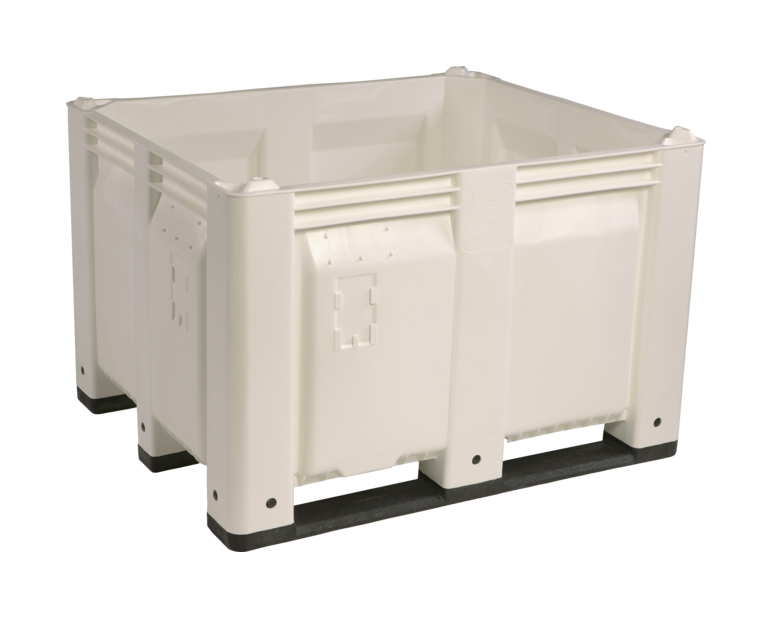
Mass containers improve taking care of procedures, leading to lowered labor costs and reducing the threat of damages throughout transportation - used plastic containers. Industries such as agriculture, chemicals, and pharmaceuticals gain from the durability and robustness of these containers, which can hold up against extreme problems while ensuring the stability of their components
The recyclable nature of mass containers contributes to long-lasting cost savings, as firms can rely on fewer, extra durable systems instead than regularly changing single-use product packaging. This way, mass containers not just enhance performance however additionally support overall price management in supply chain operations.
Personalization and Versatility in Mass Container Design
While several bulk containers are developed for standard applications, their personalization and adaptability have actually come to be vital features for sectors with unique demands. Manufacturers currently supply a variety of options, permitting customers to customize containers to certain dimensions, materials, and functionalities. This flexibility makes it possible for companies to optimize storage and transport processes, making sure compatibility with various dealing with systems.
As an example, the food and pharmaceutical industries commonly require containers that fulfill rigorous hygiene and security requirements. Personalized designs may integrate features such as tamper-proof seals, easy-to-clean surfaces, and specialized air flow systems. In the farming industry, mass containers can be customized to help with the transport of diverse assets, from grains to fluids, enhancing operational performance.
Eventually, the capability to tailor bulk containers not only improves efficiency but also sustains sustainability initiatives by decreasing waste and taking full advantage of resource utilization throughout numerous fields. This flexibility placements bulk containers as flexible options in today's dynamic market.
Often Asked Questions
What Products Are Bulk Containers Typically Made From?
Mass containers are usually made from materials such as high-density polyethylene (HDPE), steel, aluminum, or polypropylene. These check here materials use durability, resistance to chemicals, and the ability to securely keep and deliver different products across sectors.
Just How Are Bulk Containers Cleaned In Between Uses?
Bulk containers are commonly cleaned up utilizing high-pressure cleaning, heavy steam cleansing, or chemical sanitization methods (used bulk containers). The cleaning process assurances that deposits are eliminated, stopping contamination and preserving the top quality of materials for subsequent uses

Can Bulk Containers Be Reused Multiple Times?
Yes, bulk containers can be reused multiple times. Their durable style permits repeated usage across different applications, offered they are properly cleaned up and maintained after each usage to ensure safety and security and hygiene criteria.
What Are the Weight Boundaries for Mass Containers?
Weight restrictions for mass containers generally vary from 1,000 to 3,000 pounds, depending upon the product and design. Requirements might vary by producer, so it is essential to consult standards for details container types.
Exist Basic Dimensions for Bulk Containers?
Yes, there are conventional sizes for bulk containers, commonly varying from 20 to 40 cubic feet. These measurements assist in reliable storage space and transportation throughout numerous markets, ensuring compatibility with devices and maximizing room application.
Making use of bulk containers can considerably enhance operations by streamlining the motion and storage space of products. In enhancement, bulk containers promote much better company within facilities, helping with quick access to materials and reducing downtime. Bulk containers supply a useful ways of saving large quantities of materials, decreasing the demand for several smaller storage devices. The food service sector is going through considerable improvement with the adoption of mass containers, boosting storage capacities and enhancing space usage. Bulk containers facilitate structured handling and storage space operations within storehouses and manufacturing centers.